Home › Private Road and Lane Paving
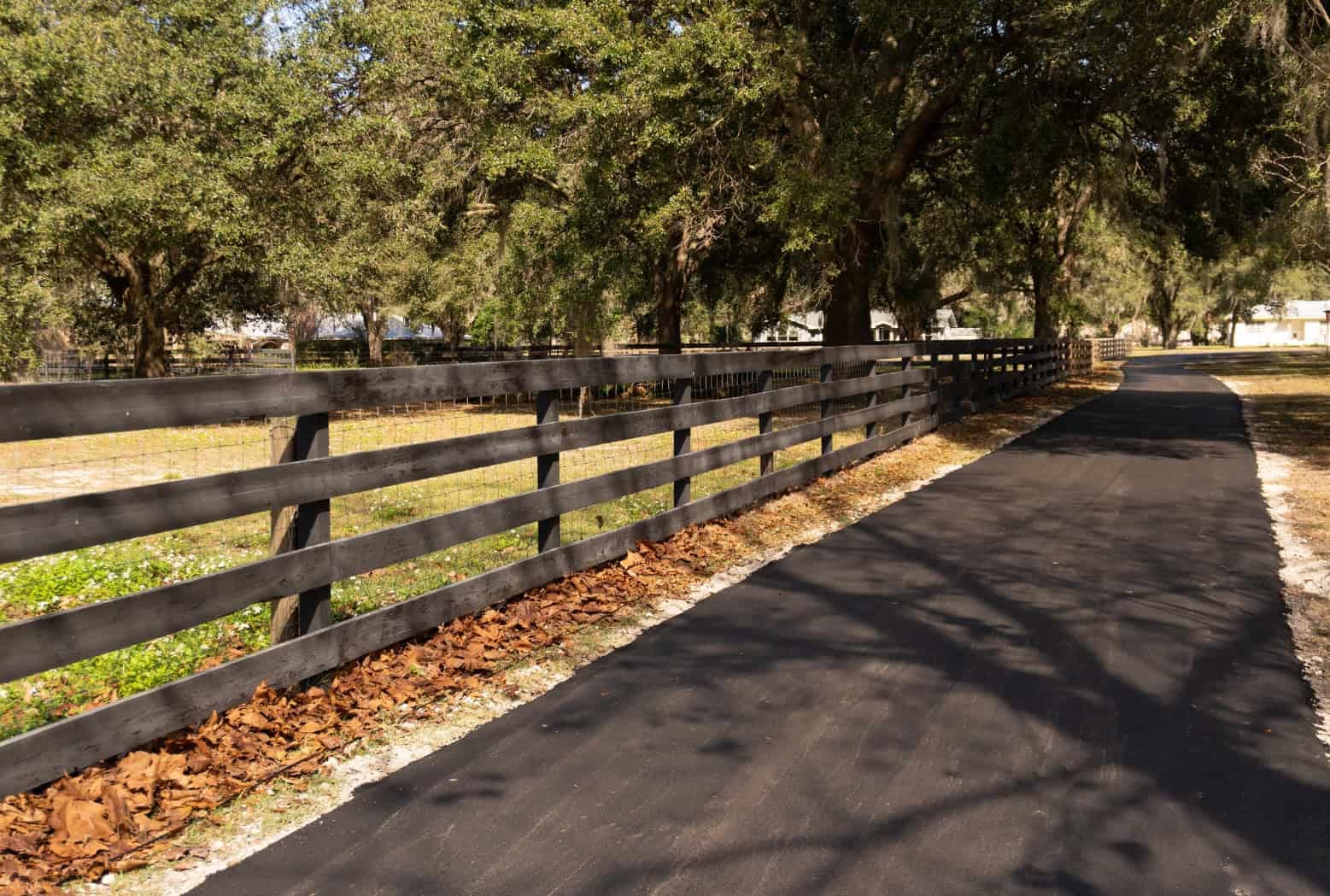
Improve access to your property with professional private road paving in Raleigh, NC. We design and build shared driveways, rural lanes, and long access roads with proper drainage and a strong asphalt structure to handle daily traffic and weather.
Precision Asphalt Raleigh provides professional private road paving throughout Raleigh, NC, North Carolina and the surrounding area. Our licensed, insured crew delivers safe, clean, on-time work with a free estimate before anything begins. Call (984) 254-6287 or request your free quote.
Private Road Paving in Raleigh, NC That Lasts
If you own land in or around Raleigh and need a reliable way in and out, well planned private road paving is one of the most important investments you can make. At Precision Asphalt Raleigh, we focus on building private roads and lanes that stand up to local clay soils, summer heat, and the traffic patterns that are common on rural driveways, shared lanes, and access roads in Wake County.
We routinely help property owners who are tired of ruts that wash out after every thunderstorm, gravel that keeps migrating into yards, or muddy stretches that delivery trucks refuse to drive through. Our team looks at your specific situation, such as where runoff flows after a heavy rain, what kinds of vehicles use your road, and whether emergency vehicles will need access, then designs pavement that fits those conditions instead of using a one size fits all layout.
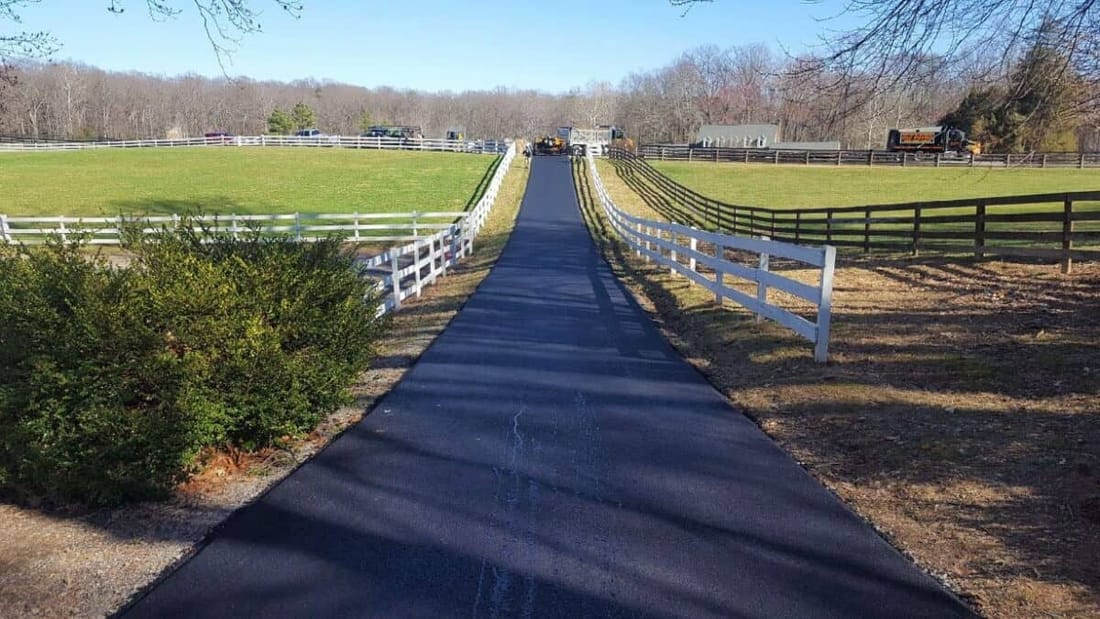
From small shared easements between two homes, to long access roads for small farms and countryside homes around Raleigh, Knightdale, and Garner, we build paved surfaces that feel solid, drain correctly, and are simple to maintain for decades.
How We Design a Private Road That Works for Your Property
A good private road starts with careful planning. When you call Precision Asphalt Raleigh, we begin with a site visit where we walk the full length of your proposed lane or road. We look at the soil type, slopes, and low spots where water collects. In much of the Raleigh area, we encounter red clay that holds water, so our designs always account for drainage and base thickness to avoid soft spots and cracking.
We then talk through how the road will be used. Light residential traffic with cars and SUVs calls for a different design than a lane that needs to support loaded dump trucks, horse trailers, or propane deliveries. We will recommend pavement thickness, base depth, and whether you need a full width road or a narrow lane with turnouts. For steep driveways or shaded sections that stay damp, we may adjust cross slope and drainage features to prevent water sitting on the pavement.
Setback rules, easements, and shared access agreements can affect alignment. While we are not attorneys, we are familiar with common private road layouts in Wake County and can coordinate with your surveyor or engineer when needed. Our goal is to make sure your paved lane fits your property boundaries, allows comfortable two way or one way passage as needed, and will not create headaches when the property is sold or additional homes are built.
Step by Step: Our Private Road and Lane Paving Process
Once we agree on a layout and specifications, we move into construction. The first step is clearing and rough grading. We remove vegetation, topsoil, and any organic material, then roughly shape the roadbed to follow your chosen alignment and tie in cleanly at the public road and at your parking or turnaround areas.
Next we focus on drainage. We cut ditches where needed and may install culverts at low crossings to carry water from one side of the road to the other. In the Raleigh area, sudden heavy rain is common, so we size and place culverts carefully and add headwalls or flared ends as appropriate. Proper drainage at this stage prevents washouts and edge failures later.
We then build the base. For most private roads in our region, we use a compacted stone base, often a crushed aggregate that locks together under compaction. We place the stone in lifts, compact each lift with vibratory rollers, and test firmness as we go. In soft areas, such as low spots with poor subgrade, we may over excavate and install a thicker base or use a stabilization fabric to prevent the base from sinking into the soil.
With a strong base in place, we pave with hot mix asphalt. For light residential use, a typical section might be a single course of asphalt over a robust stone base. For heavier use, we may place a base course followed by a finer surface course. Our crews set the proper slope across the road so water sheds to the ditches rather than ponding on the surface. Joints at tie in points, such as connections to existing concrete or asphalt, are saw cut and sealed so transitions feel smooth when you drive across them.
The final steps include compacting the asphalt to density, shaping shoulders, and addressing any access details such as gravel tie ins to driveways, mailbox pads, or short concrete aprons where needed.
Material Choices and Design Options for Your Paved Lane
Private road paving is not one material fits all, and we explain the options in plain language so you can decide what makes sense for your property and budget. Standard hot mix asphalt is the most common choice in Raleigh because it handles our freeze thaw cycles well and is more forgiving on the underlying clay soils than rigid concrete.
For budget conscious projects or long access roads that see only occasional traffic, we sometimes recommend a thicker stone base with a slightly thinner asphalt surface, combined with a clear maintenance plan for sealing and patching in the future. For higher end residential entries closer to North Raleigh or Cary, owners often request a cleaner appearance. In those cases we can use a finer surface mix for a smoother finish and crisp edges along sod.
We can also discuss alternative edge treatments. Instead of leaving raw shoulders, we may recommend a compacted gravel shoulder to support the asphalt edge, which is especially helpful where large vehicles may occasionally drop a tire off the pavement. In some short sections near homes or gates, clients combine asphalt lanes with concrete aprons or pads, and we coordinate grades and joints so those transitions do not collect water or cause bumps.
If you are considering future utility installation, like water lines or underground power, we encourage coordination before paving. Proper planning can save you from cutting into a new lane later or can guide us to leave a gravel section where trenching is planned down the road.
What Affects Cost for Private Road Paving in the Raleigh Area
Cost for private road paving varies widely, and we always walk customers through the drivers so you can see where your money goes. Length and width are obvious factors, but in this region, subgrade stability and drainage have just as much impact as square footage.
Steep grades, significant clearing, or existing ruts and washouts usually require more earthwork and base material. Soft or saturated soils may need undercutting and replacement with suitable fill or stone. Where we need multiple cross culverts or headwalls to handle runoff, that adds both materials and labor. In wooded lots around Raleigh and Rolesville, tree removal, stump grinding, and root issues can also affect preparation time.
Asphalt thickness and type influence price as well. A road designed for heavy farm equipment or frequent deliveries needs more structure than a lane serving one or two homes. We will often price a couple of options, such as a base course plus surface course versus a single thicker lift, and explain the performance differences so you can choose instead of guessing.
To keep budgets under control, Precision Asphalt Raleigh may suggest phasing. For example, we can build the full base and initial asphalt now for access, then add a top surface course later once home construction traffic dies down. This approach protects your investment by letting the roughest use happen on a sacrificial surface that can be refreshed once building is complete.
Local Concerns, Permits, and Long Term Care
Private roads around Raleigh can be subject to different rules than public streets, but there are still practical and sometimes legal considerations. We help you think through access for emergency vehicles by considering turning radii and surface strength. If your road connects directly to a state maintained route, you may need to follow North Carolina Department of Transportation driveway or encroachment requirements, and we can coordinate our design with those standards.
Stormwater is another important concern. While many small private lanes do not trigger full engineered stormwater plans, unmanaged runoff from a paved surface can cause erosion on neighboring properties or clog roadside ditches. When we shape ditches and place culverts, we consider where that water will go, which helps prevent disputes with neighbors and preserves your investment.
After the paving is complete, long term performance depends on simple but regular care. We recommend keeping ditches clear of leaves and sediment, trimming vegetation so roots do not encroach on edges, and watching for early signs of wear such as small cracks or edge crumbling. In Raleigh's climate, a well built private road will often benefit from sealcoating after several years, once the asphalt has cured and oxidized. Timely crack sealing and patching protect the base from water intrusion and significantly extend the life of the pavement.
When you work with Precision Asphalt Raleigh, you are not just getting a one time paving job. We are available to guide you through maintenance decisions over the life of your private road, whether that means small repairs, resurfacing, or making adjustments if your use changes, such as adding another home or increasing heavy vehicle traffic.