Home › Commercial Asphalt Resurfacing & Overlays
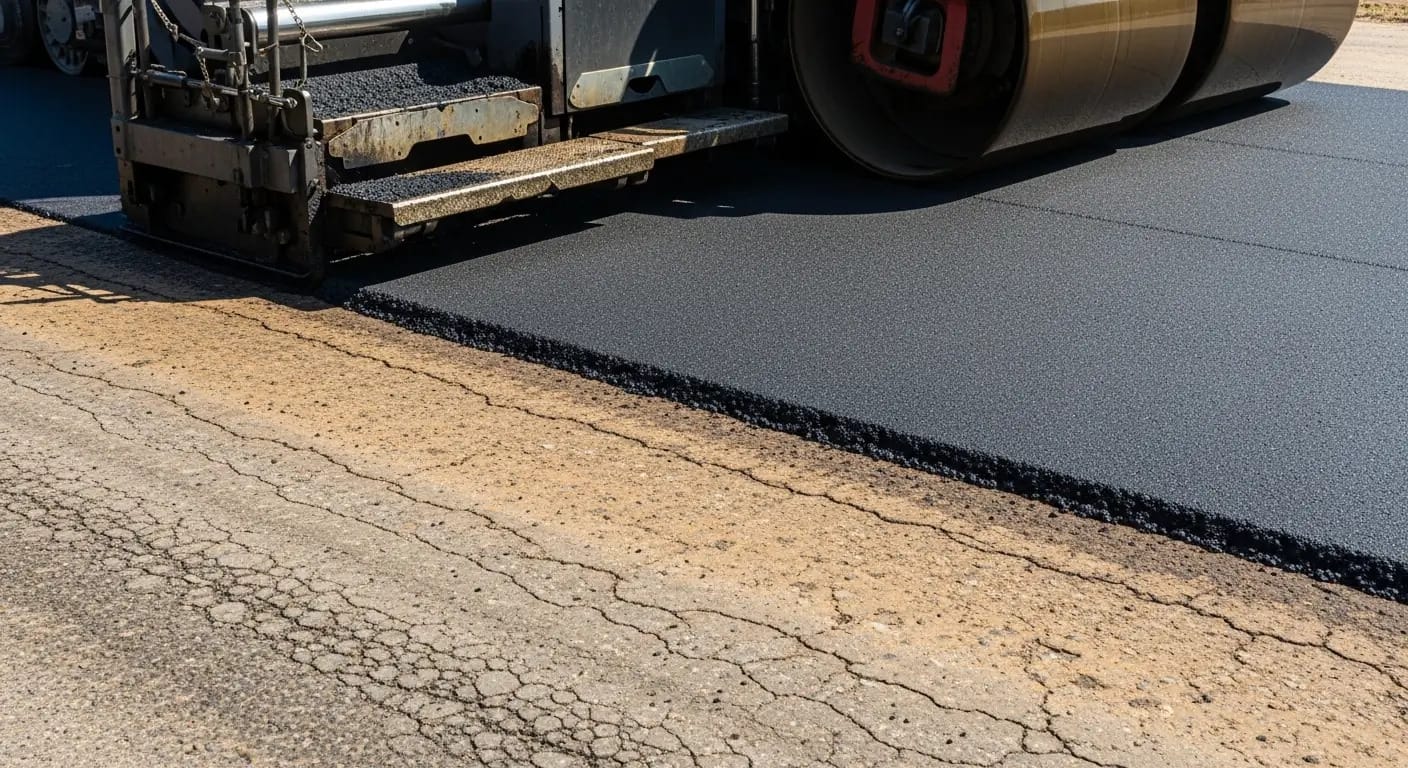
Revive tired pavement with commercial asphalt resurfacing in Raleigh, NC. Our mill and overlay services remove damaged surfaces and install new asphalt layers so parking lots and drives look fresh and perform better without full reconstruction costs.
Precision Asphalt Raleigh provides professional commercial asphalt resurfacing throughout Raleigh, NC, North Carolina and the surrounding area. Our licensed, insured crew delivers safe, clean, on-time work with a free estimate before anything begins. Call (984) 254-6287 or request your free quote.
Commercial Asphalt Resurfacing & Overlays in Raleigh, NC
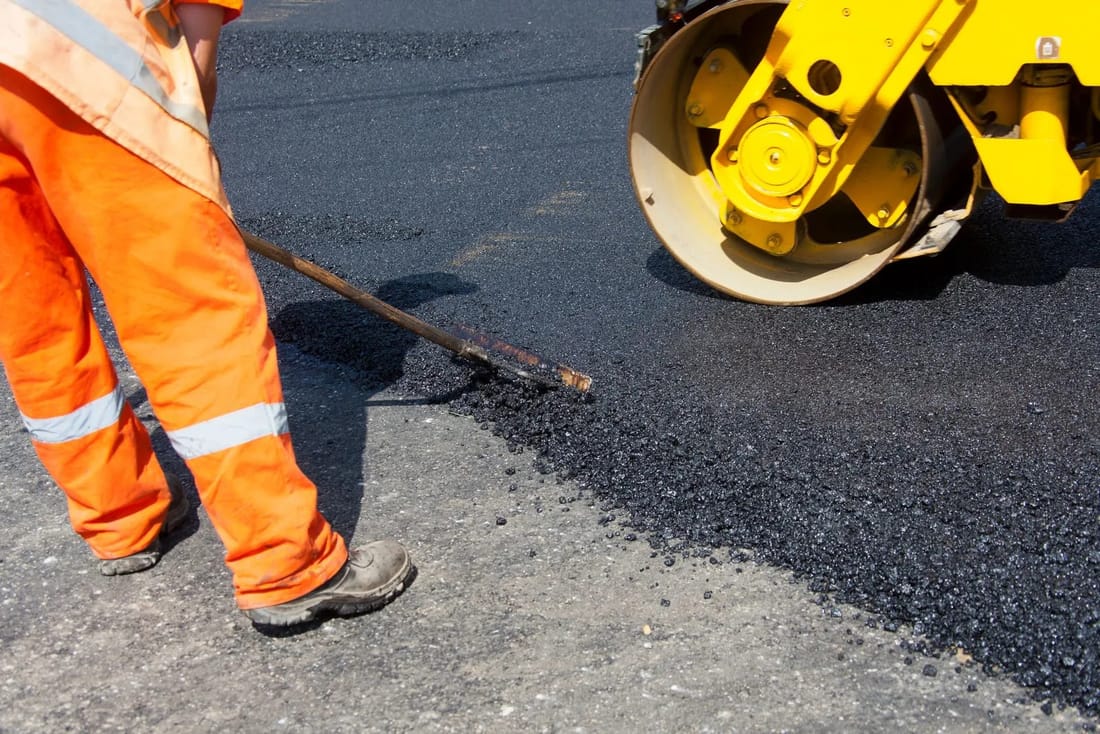
Commercial asphalt resurfacing is a practical way to restore worn parking lots, drives, and private roads without paying for a full tear out and replacement. At Precision Asphalt Raleigh, we focus on properties around Raleigh that see daily vehicle traffic, like office parks, shopping centers, churches, industrial yards, and medical buildings. Resurfacing and overlay work is about fixing the structure of your pavement, not just hiding cracks with a thin coat of sealer.
For most commercial properties in Raleigh, the asphalt was installed 15 to 30 years ago, then patched and sealed many times. Eventually you see widespread cracking, rutting in wheel paths, rough areas at entrances, and ponding water after storms. That is when resurfacing becomes a better choice than more patches. We inspect how the pavement behaves under traffic and water, check the age and thickness of the existing asphalt, and look closely at heavy use spots like dumpster pads, loading docks, and drive lanes leading to Glenwood Avenue, Capital Boulevard, or I-440 access points.
Our goal is to keep your business open and traffic moving while we give the pavement a new structural wearing course that can handle Triangle weather swings, from summer heat to winter freeze-thaw cycles. We schedule work in phases, set up clear traffic control, and coordinate with property managers so tenants, customers, and delivery trucks always have a way in and out.
How Commercial Asphalt Resurfacing & Overlays Are Actually Done
Our resurfacing process is detailed because commercial pavement problems are usually layered. At Precision Asphalt Raleigh, a typical commercial asphalt resurfacing project follows these steps:
1. Evaluation and coring: We walk the site with you, mark failures, and often take cores to see existing asphalt and stone base thickness. This matters on older properties around North Hills, Six Forks, and older Raleigh industrial parks where no original plans are available.
2. Milling and profile correction: We use a milling machine to grind off the top layer, usually 1 to 2 inches, and sometimes more in rutted truck lanes. Around storm drains, curb lines, and building entrances we mill deeper to keep new asphalt flush and prevent trip hazards or water running back toward doorways. The goal is to restore the correct slope so water flows to inlets instead of sitting in low spots.
3. Base repairs: Milling exposes weak areas. Where the existing asphalt or stone base pumps under truck traffic or shows alligator cracking, we cut these sections out, compact new stone, and install full-depth asphalt patches. This is common around dumpsters, delivery zones, and fire lanes that see heavier vehicles than the original design anticipated.
4. Tack coat and overlay: We apply a hot asphalt emulsion tack coat to bond the new overlay to the old surface. Then we place a new asphalt layer, typically 1.5 to 2.5 inches for standard commercial parking lots, and thicker in bus or tractor-trailer lanes. We choose mixes approved by NCDOT and tuned for commercial use in Wake County, with enough stone content and stability to resist rutting in summer heat.
5. Compaction and joints: Steel drum and rubber tire rollers compact the overlay to proper density so it lasts. We take extra care at tie-in points like entrances connecting to city streets, because poorly compacted joints are where commercial overlays most often fail.
6. Markings and cleanup: After the asphalt cools, we restripe stalls, ADA spaces, fire lanes, and loading areas. For busy centers on streets like Wake Forest Road or New Bern Avenue, we can phase striping so key parking areas return to service quickly.
Material Options and Design Choices for Your Overlay
There is not one overlay mix that fits every commercial property in Raleigh. Precision Asphalt Raleigh adjusts thickness and materials to how your site is actually used.
For shopping centers and medical offices with steady car traffic and occasional box trucks, a 1.5 to 2 inch overlay of dense graded asphalt is usually enough, as long as base failures are repaired first. In industrial parks with regular 18 wheeler traffic or bus loops, we often recommend a thicker overlay, sometimes in two lifts, so heavy wheels are spread over more structure. We may also reinforce high stress areas like loading zones with a more robust mix or additional base stone.
We look closely at drainage and layout. If your existing lot on a sloped site off Creedmoor Road or Western Boulevard has low spots that keep reappearing, we adjust milling depths and overlay thickness to reshape the surface. On flatter lots near downtown or around older brick office buildings, we protect existing curb reveal and maintain ADA slopes for accessible routes and parking stalls.
There are also options for surface texture and markings. A slightly coarser surface helps with skid resistance in areas where pedestrians and vehicles mix. Where night visibility is important, such as 24 hour pharmacies or urgent care clinics, we pair the new asphalt with high contrast thermoplastic or high build paint striping and consider adding stop bars, crosswalks, and directional arrows to improve traffic flow.
If your property is likely to redevelop or expand in 5 to 7 years, a more economical overlay approach can be used as a bridge solution. If you plan to hold the property long term, we discuss whether adding extra thickness or reinforcing specific lanes offers a better life cycle cost.
Cost Drivers and Common Problems in Raleigh Commercial Lots
The cost of commercial asphalt resurfacing in Raleigh depends on more than just square footage. Precision Asphalt Raleigh explains the main cost drivers before work begins so there are fewer surprises.
Existing condition is the first factor. A relatively sound lot with surface cracking and isolated depressions will cost less to overlay than one with widespread base failures, standing water, or severe rutting at entrances. Milling depth and the number of base repairs have a big impact on price.
Access and phasing also matter. At busy shopping centers near major corridors like Capital Boulevard or Falls of Neuse Road, we often work at night or in tight phases to keep business open. Night work, additional traffic control, and extra mobilizations add cost but protect your tenants and customers.
Another cost driver is the number of transitions. Lots that tie into multiple city or NCDOT streets, loading docks, and multiple building entrances require more detailed milling and handwork. This adds labor and time but is critical for a smooth finished surface that meets code and avoids drainage issues.
Common problems we deal with in Raleigh include reflective cracking from old, poorly stabilized bases, ponding water due to aged or settled subgrade, and damage from delivery trucks riding over sidewalk corners or curb returns. To handle these, we may install geotextile fabric over certain cracked areas, rebuild soft subgrade with stone and compaction, or reinforce truck routes with thicker asphalt and proper radiuses.
We also plan around Raleigh weather. Overlay work is scheduled when temperatures and humidity support proper compaction and bonding. Laying a commercial overlay in marginal conditions can shorten its life, so we would rather stage work correctly than rush in poor weather. We communicate schedule adjustments with property managers so tenants know what to expect.
What Raleigh Property Managers Should Know Before Hiring
If you manage or own a commercial property in Raleigh, you do not have to become a paving expert, but knowing a few key points will help you hire the right contractor for commercial asphalt resurfacing.
First, ask how the contractor evaluates the existing pavement. If no one mentions coring, milling depths, base repairs, or drainage corrections, you are likely just getting a cosmetic proposal. Precision Asphalt Raleigh provides a site-specific plan that shows where milling will be deeper, where full-depth repairs are needed, and how slopes will be improved.
Second, insist on traffic and access planning. On properties with multiple tenants or sensitive users like schools, medical offices, and churches, we develop a phasing plan that keeps emergency access open and clearly marks alternative parking. We coordinate with your management team and can provide maps or notices you can share with tenants.
Third, confirm the materials and thickness. A quote that simply says "overlay" without a stated thickness is not enough. You should see at least a range in inches and reference to commercial grade mixes suitable for heavy use. We specify target thickness, compaction expectations, and where thicker pavement will be installed.
Fourth, look at life cycle, not just lowest price. We will tell you when a thin overlay is acceptable and when you are better served by more extensive repairs or partial reconstruction, especially on older Raleigh sites that have already been overlaid once or twice. Sometimes combining resurfacing in low and medium stress areas with reconstruction in failed truck routes is the most cost effective plan.
Finally, consider timing. In Raleigh, many property managers prefer resurfacing during summer or shoulder seasons when school traffic is lighter and weather is more predictable. We can schedule phased work during off-peak periods, coordinate night work on busy corridors, and stage projects to meet lease or lender requirements. Our job is to keep your pavement solid and your operations running with as little disruption as possible.