Home › Gravel-to-Asphalt Conversions
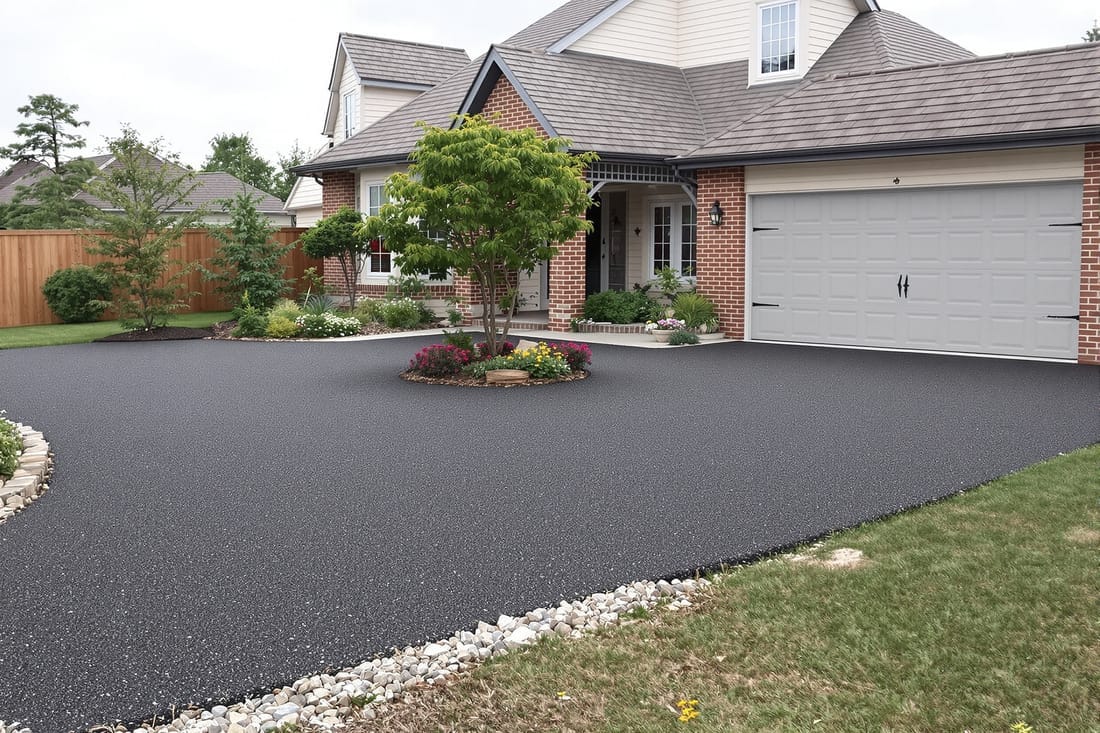
Tired of mud, ruts, and dust from your gravel drive. Our gravel to asphalt driveway conversions in Raleigh, NC turn rough stone surfaces into smooth, durable blacktop with proper grading and compaction for long term performance.
Precision Asphalt Raleigh provides professional gravel to asphalt driveway throughout Raleigh, NC, North Carolina and the surrounding area. Our licensed, insured crew delivers safe, clean, on-time work with a free estimate before anything begins. Call (984) 254-6287 or request your free quote.
Turn Your Gravel Driveway Into a Smooth Asphalt Surface
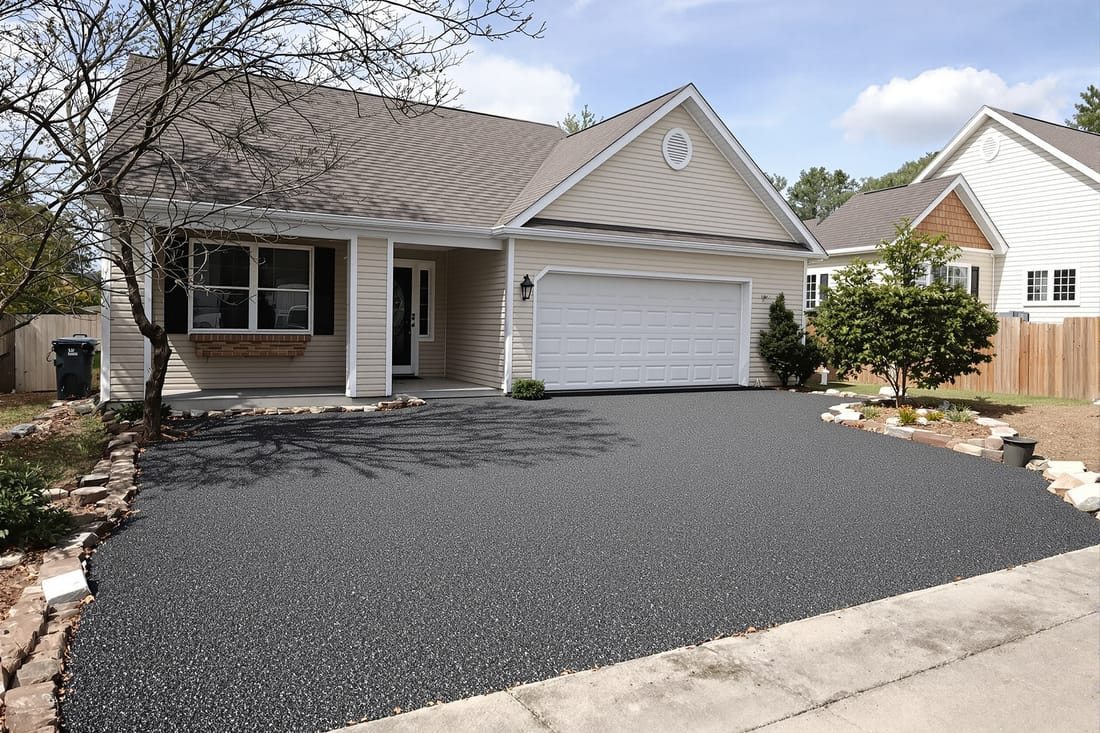
If you are tired of ruts, dust, and loose stone, a gravel to asphalt driveway conversion can make day-to-day life at your Raleigh property much easier. Precision Asphalt Raleigh focuses on turning existing gravel driveways into durable, clean-looking asphalt surfaces that are built for our local traffic loads and weather.
A properly installed asphalt driveway is more than a cosmetic upgrade. It improves drainage, keeps mud out of your garage, and makes snow or ice removal easier during the occasional Raleigh winter storm. It also adds clear edges and structure to your property, which many buyers look for if you plan to sell in the next few years.
Because you already have gravel in place, you start with a head start on base material. The key is evaluating what you have, correcting any soft spots or drainage problems, and then building an asphalt section that will not crack or sink after one or two seasons. Precision Asphalt Raleigh spends most of our time on the prep work, because that is what keeps your driveway solid when summer heat and heavy rains hit Wake County.
How We Convert a Gravel Driveway to Asphalt, Step by Step
Every gravel to asphalt driveway project in Raleigh begins with a site visit. We walk the full length and width of your existing drive, check for low spots, soft areas, and standing water, and look at how delivery trucks or work vehicles actually use the space. This helps us decide whether your current layout makes sense or if widening a turn or adding a parking pad will reduce future damage.
The first production step is shaping the existing gravel. We use a motor grader or skid steer to cut out potholes and ruts and to establish the right slope so water sheds to the sides instead of running straight down the middle. If the driveway has long term drainage issues, we may recommend shallow swales, culverts, or French drains near the road or garage to move water away from the asphalt.
Next, we stabilize the base. In many Raleigh and surrounding area properties, the native soil includes clay that holds water. Where we find soft or pumping areas, we undercut those sections, remove the bad soil, and replace it with compactable stone, typically a crusher run or graded aggregate base. Each layer is compacted with a vibratory roller so that the base is dense and uniform, usually to a depth of 4 to 8 inches depending on vehicle loads.
Once the base is firm and graded, we apply a tack coat if needed, then place hot mix asphalt from our Raleigh area plant. For most residential gravel to asphalt driveway conversions, we install 2 to 3 inches of compacted surface mix. Heavier use properties, such as small businesses that receive box trucks, may get a two layer system with a stronger base course and a fine surface course on top for a smoother finish.
Finally, we roll the asphalt to proper compaction, establish neat edges, and tie into the street or existing concrete at your garage. Before we leave, our crew walks the project with you to review transitions, drainage flow, and how to drive and park on the new surface during the first few days.
Design Choices for Your New Asphalt Driveway
Converting gravel to asphalt is a good time to fix layout issues that have bothered you for years. Precision Asphalt Raleigh can adjust the shape of your driveway so it fits how you actually live, from daily commuting to weekend boat or trailer parking.
If you often have to back into the street, we can add a turnaround or parking pad to make pulling out forward easier and safer. Narrow driveways can be widened along one side so two vehicles can pass each other without dropping off into the yard. We can also soften tight curves that are hard for delivery trucks, which helps prevent edge cracking later.
For Raleigh homes on hills, we pay special attention to steep sections, both for traction and water control. We might recommend short cross slopes, small berms, or extra base depth in areas that collect water. Where your driveway meets the road, we can build a gentle apron that blends cleanly into the existing asphalt, which looks better and reduces the jolt when you pull in.
While asphalt is typically black, you still have options for the finishing details. You can choose clean, straight edges that stop at the grass, or ask us to install a stone shoulder for additional support. In some cases we prepare the edge so you or a landscaper can add concrete, brick, or landscape timbers later as a decorative border without harming the pavement.
What Affects the Cost of Gravel to Asphalt Driveway Conversions
Homeowners in Raleigh often ask why two gravel to asphalt driveway quotes can differ so much. The largest cost driver is the condition of the existing base and subgrade. If your gravel driveway is already thick, drains well, and has no deep soft spots, we can usually reuse most of it with minimal undercutting. If the base is thin or sitting on wet, unstable clay, we have to remove and replace more material to keep the asphalt from failing.
Length, width, and thickness of the asphalt layer are the next big factors. A long, narrow drive to a house set far off the road uses a lot of tonnage. For light residential cars and SUVs, a compacted thickness of about 2 inches over a solid base is typical. If you routinely park work trucks, trailers, or RVs, we may recommend additional thickness or a stronger mix design, which increases cost up front but reduces repairs later.
Access and site constraints also influence pricing. Driveways with tight trees, steep grades, or limited turnaround space may require smaller equipment and more labor time. Properties inside tighter Raleigh neighborhoods can have additional costs for traffic control or coordination with neighbors and the city when we are tying into public streets.
Finally, timing matters. Hot mix asphalt is sensitive to temperature. The best installation window in the Raleigh area is usually from late March through early November, with spring and fall offering the most comfortable temperatures for proper compaction. Scheduling during this window helps us work efficiently, which keeps the price more predictable. Winter work is sometimes possible for smaller projects, but we will be honest if we feel conditions would compromise quality.
Common Issues With Gravel Driveways and How We Solve Them
Most gravel to asphalt driveway projects start because the existing gravel surface is not holding up. Precision Asphalt Raleigh looks for the underlying problems instead of just covering them with blacktop, since that rarely works for long.
Potholes and washboarding are almost always a sign of poor drainage or an insufficient base. If water runs down the center of the driveway or across it in heavy Raleigh storms, we address that with grading and, if needed, shallow ditches or underdrains before we ever place asphalt. This prevents the water from undermining the new pavement from below.
Dust and loose stone are another frequent complaint. A properly converted asphalt surface locks the aggregate into a stable mat, which keeps dust out of garages and homes. For long gravel drives where a full asphalt conversion is not in the budget, we can sometimes suggest converting only high traffic or problem areas, like near the house or at steep hills, and improving the rest of the gravel with better grading.
Edge breakdown is common where vehicles repeatedly roll off the side of a narrow gravel lane. When we convert to asphalt, we make sure the new drive is wide enough for real-world use and, if necessary, add compacted stone shoulders to support the edges. This keeps the sides of the asphalt from crumbling when heavy vehicles occasionally ride close to the edge.
Tree roots, shade, and overhanging limbs can also cause trouble. In shaded areas that stay damp, we sometimes deepen the base, improve drainage, or selectively trim back trees to let more sunlight reach the surface. If large roots are already lifting the driveway route, we will discuss options and any coordination with an arborist if the tree is important to you.
What to Expect When You Hire Precision Asphalt Raleigh
For most typical gravel to asphalt driveway conversions in Raleigh, work can be completed in one to two days once we start, depending on driveway length and weather. Before we schedule, we provide a written proposal that lists the base work, asphalt thickness, and any drainage improvements so you know exactly what is planned.
On the first day, our crew will shape and compact the existing gravel, perform any undercutting or base replacement, and install drainage features. Once the base passes our checks, we schedule or proceed with paving. During paving, trucks deliver hot mix asphalt directly from a local plant in the Raleigh area so it goes down at the correct temperature.
After compaction, you can usually walk on the new asphalt the same day. We typically recommend waiting 24 to 48 hours before regular vehicle traffic, and slightly longer on very hot days. For the first few months, avoid turning the steering wheel sharply while the car is not moving and do not park heavy trailers in the same spot for long periods. These simple habits help your new driveway cure evenly and resist early scuffing.
Precision Asphalt Raleigh is fully insured, and we stand behind our gravel to asphalt driveway work with clear workmanship coverage explained in writing. If you ever see standing water on the pavement or notice settlement within the first seasons, we encourage you to call so we can assess it early. Our goal is to leave you with a smooth, long-lasting driveway that feels like a permanent upgrade from the loose gravel you started with.