Home › Asphalt Resurfacing & Overlays
Refresh your aging driveway with asphalt resurfacing in Raleigh, NC. We install asphalt overlays over sound bases to smooth out cracks, ruts, and faded surfaces so your driveway looks like new at a lower cost than full replacement.
Precision Asphalt Raleigh provides professional asphalt resurfacing throughout Raleigh, NC, North Carolina and the surrounding area. Our licensed, insured crew delivers safe, clean, on-time work with a free estimate before anything begins. Call (984) 254-6287 or request your free quote.
Asphalt Resurfacing & Overlays in Raleigh, NC
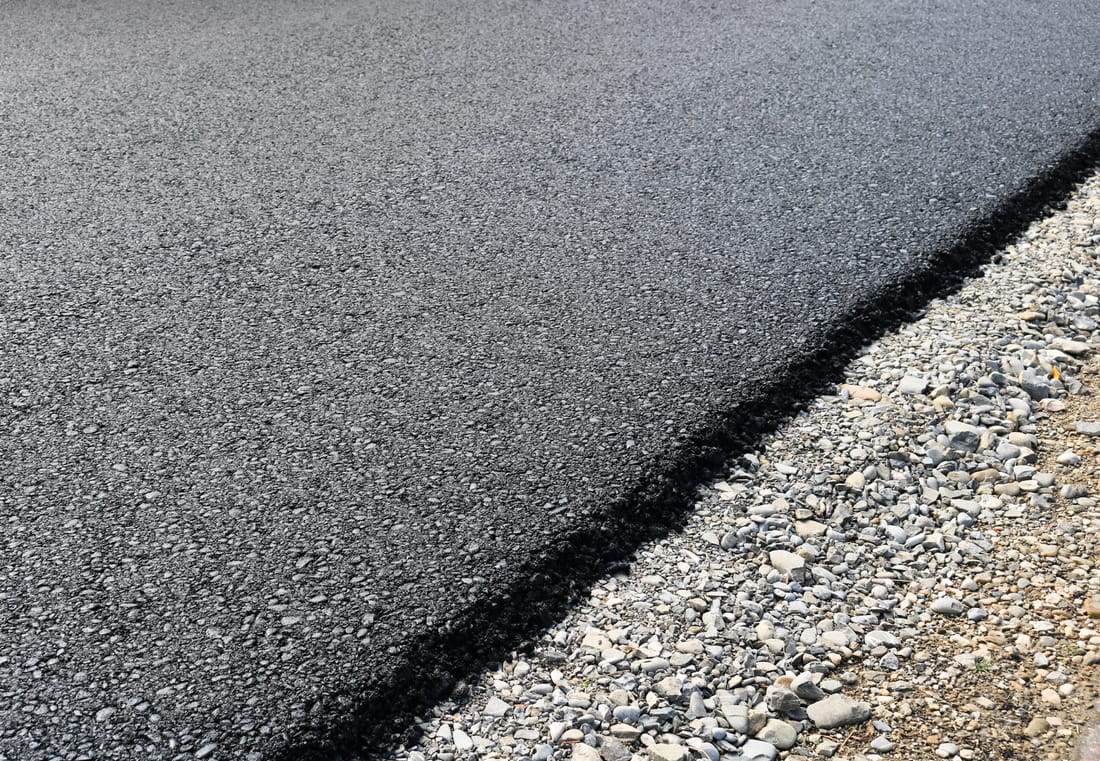
If your driveway, parking lot, or private road in Raleigh looks worn but is not completely falling apart, asphalt resurfacing (also called an overlay) is often the smartest way to bring it back to life without paying for a full tear out. At Precision Asphalt Raleigh, we focus on extending the life of the pavement you already have by repairing what is failing and installing a new wearing surface on top.
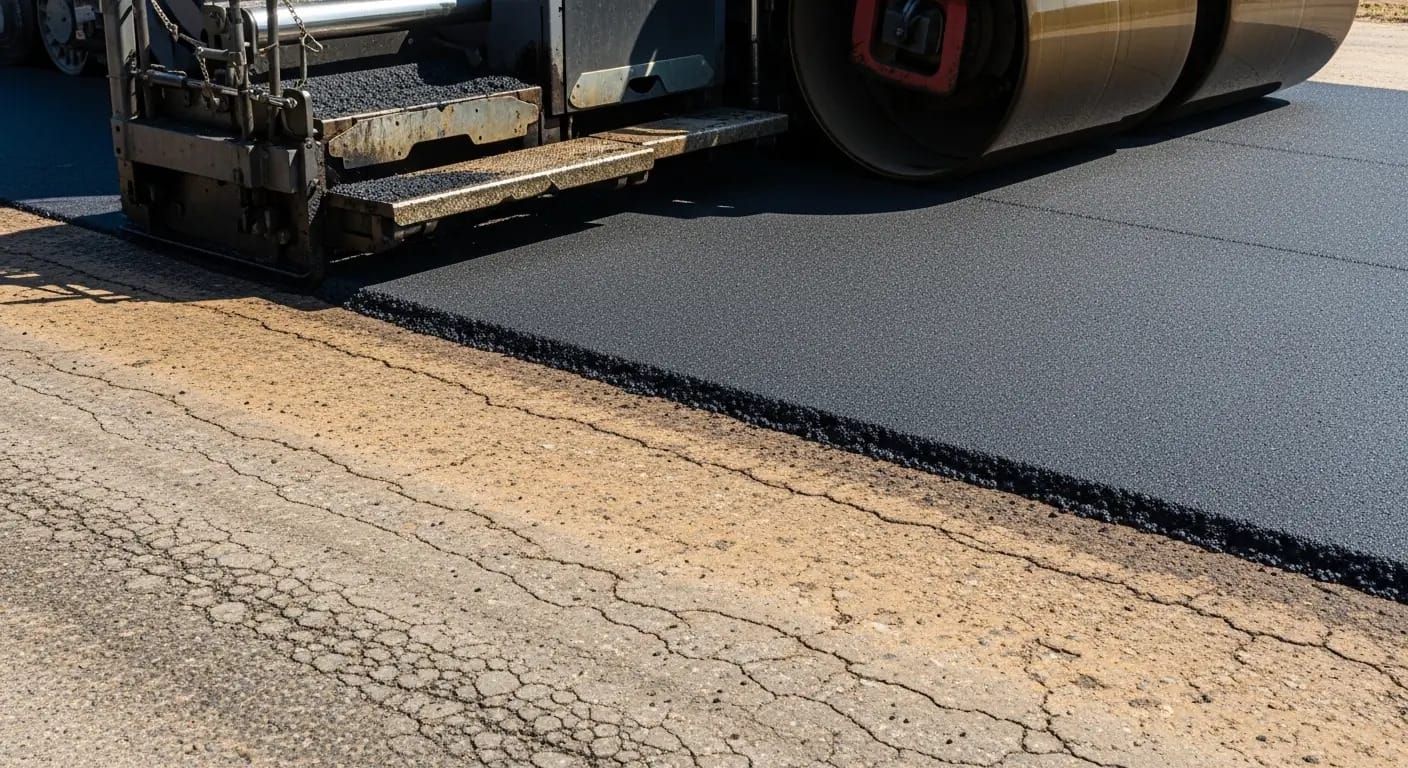
Resurfacing is different from simple crack filling or pothole patching. Instead of spot fixes, we repair the structural issues and then apply a new layer of hot mix asphalt across the entire area, usually 1.5 to 3 inches thick depending on traffic and existing conditions. You keep your existing base and subbase, which is where most of the cost is in brand‑new paving.
In the Triangle, resurfacing is especially useful because of our clay soils, tree roots, and freeze‑thaw cycles. Even well built lots in Raleigh, Cary, and Garner start to ravel, oxidize, or develop birdbaths after 8 to 15 years. An overlay done at the right time seals out water, improves appearance, and saves you from the cost of rebuilding the entire pavement structure later.
How Our Asphalt Resurfacing Process Works
When Precision Asphalt Raleigh resurfaces a driveway or parking lot, we follow a predictable process so there are no surprises.
1. Site evaluation and core check: We walk the site with you, identify problem areas, and when needed cut small core samples to see how thick your existing asphalt is and how stable the base is. In Raleigh, we pay close attention to low spots that hold stormwater after heavy summer rains, and to areas near hardwoods where roots can push up the pavement.
2. Milling and edge preparation: We typically mill or grind along transitions where the new overlay will meet concrete, garage slabs, or roadway tie‑ins. This prevents a tall edge or “speed bump” at entrances. In commercial lots, we often profile mill travel lanes and around drain inlets so that the new surface maintains proper drainage.
3. Structural repairs: Resurfacing is only as good as the layer underneath. Alligator cracking, soft spots that flex under truck tires, and areas with repeated potholes are cut out. We saw cut a clean rectangle, remove unstable asphalt, compact the base, then install and compact new hot mix. This step is critical in parts of Raleigh with problematic fill dirt or poorly compacted subgrade.
4. Cleaning and tack coat: The surface is swept and blown clean so the new asphalt will bond. We apply a tack coat, a thin layer of asphalt emulsion, to “glue” the overlay to the existing pavement. Skipping or skimping on tack coat is a common shortcut that leads to slippage or delamination, so we are very specific about coverage rates.
5. Installing the overlay: We place the new asphalt using a paver when access allows, which gives a smoother and more consistent mat than purely hand work. Thickness is matched to use: residential driveways often get around 1.5 to 2 inches compacted; busy commercial lots and drive lanes may get 2 to 3 inches. We use local North Carolina DOT‑approved mixes that hold up to our summer heat and occasional winter ice.
6. Compaction and detail work: Steel drum and pneumatic rollers compact the new surface to lock aggregates together and remove air voids. Around drains, curbs, and tight corners our crew rakes and lutes the material so water flows away from buildings and does not pond.
7. Striping and finishing touches: On commercial lots we replace or update striping, ADA markings, and traffic arrows once the asphalt has cooled. For residential jobs we check that all access points, like mailbox pull‑offs or side parking pads, blend smoothly into the main drive.
What Drives the Cost of Asphalt Resurfacing in Raleigh
Many property owners in Raleigh call us trying to understand why overlay prices vary so much between bids. The cost of asphalt resurfacing is not just about square footage. A few key factors determine the price.
Condition of the existing pavement: If your lot only has surface cracking and light raveling, we can usually overlay with minimal structural repair. If there are multiple areas of alligator cracking, base failures, or long‑term drainage problems, more cut‑outs and rebuilding are needed, which adds labor and materials. In some older Raleigh subdivisions, original driveways were placed on thin stone or even directly on clay, so we plan for more base correction.
Thickness of the overlay: Thicker asphalt costs more, but going too thin to save money can shorten the life of the project. For example, a lightly used church lot might perform fine with a 1.5 inch overlay, while a grocery store with heavy delivery trucks may need 2.5 inches plus undercut repairs in loading zones. Precision Asphalt Raleigh will show you where upgrading thickness in specific areas gives you the most return.
Access and phasing: Tight townhome communities, inner Beltline neighborhoods, and busy retail sites sometimes require night work, weekend work, or multiple phases to keep traffic flowing. Extra mobilizations, traffic control, and off‑hours work can increase pricing, but they may be necessary to keep your operation running.
Drainage corrections: Adjusting manholes, inlets, and valley gutters, or fine‑tuning slopes so water moves properly, can add cost but is often the difference between a successful overlay and one that fails early. Our local crews understand how sudden downpours common in Raleigh and the broader Triangle expose any weakness in drainage.
Material selection: Most resurfacing uses standard hot mix, but we can price upgraded surface mixes with higher quality aggregates or polymer modification in high‑stress areas. These mixes cost more per ton but resist rutting at intersections and heavy truck lanes.
Common Asphalt Problems We Fix With Overlays
Not every paved surface is a good candidate for resurfacing, but many common problems in Raleigh can be effectively addressed with a well designed overlay.
Widespread cracking without major base failure: When you see a network of fine or medium cracks across most of the surface, the top layer has usually oxidized and lost flexibility. After repairing any localized base failures and sealing or leveling the worst cracks, a new surface layer can restore a tight, smooth finish and keep water from penetrating deeper.
Raveling and rough texture: In older lots, the fine aggregates may have worn away, leaving larger stone exposed and a rough ride. An overlay replaces that worn top with fresh mix, improving appearance and skid resistance. This is especially helpful on sloped driveways where smoothness improves traction in rain or light ice.
Ponding water and birdbaths: Low spots hold water, which accelerates pavement failure. Before overlaying, we identify where water stands after a rain and either mill or level those areas. Then we use the new overlay to “regrade” the surface slightly so water runs to drains or gutters instead of sitting. Because Raleigh often gets heavy afternoon thunderstorms, fixing ponding is one of the most important parts of our work.
Transition issues and trip hazards: Over time, previous overlays or settling can create height differences where asphalt meets concrete sidewalks, ADA ramps, or warehouse floors. By milling down and carefully matching the new overlay elevation, we can remove trip points and improve ADA compliance in commercial and multifamily properties.
When resurfacing is not the right answer: If large sections of your lot are pumping water when trucks drive over them, or if you see deep structural cracks running through the base, we will be honest and recommend full‑depth replacement in those areas. A thin overlay on a failing base is a temporary cosmetic fix at best, and we prefer to build something that lasts.
What Raleigh Property Owners Should Know Before Hiring
Choosing the right contractor for asphalt resurfacing in Raleigh is as important as choosing the right scope of work. A proper overlay should give you 8 to 15 more years of service, depending on traffic and maintenance.
First, insist on an on‑site evaluation, not just a price per square foot over the phone. Precision Asphalt Raleigh always walks the property, looks at drainage patterns, checks for soft spots, and discusses how the site is actually used. A medical office with frequent patient drop‑offs and ambulance access has different needs from a small retail strip center or a cul‑de‑sac driveway.
Second, ask how transitions, drainage, and structural repairs will be handled. Your proposal should clearly mention milling or grinding at tie‑ins, base repairs for cracked areas, overlay thickness, and striping if needed. If a quote only says “overlay existing asphalt” with no detail, you may be comparing apples to oranges.
Third, timing and traffic planning matter. In busy Raleigh corridors like Capital Boulevard or around NC State, we often schedule work early mornings, evenings, or weekends to reduce disruption. We can phase large lots so part remains open while we work on the other part, and we provide clear instructions on curing time and when vehicles can return.
Finally, plan for basic maintenance after resurfacing. Allow the asphalt to cool and set before turning tires sharply or parking heavy equipment, usually 24 to 48 hours depending on weather. Over the first few years, keep up with crack sealing and consider a sealcoat at the right interval to protect your investment. We are happy to put together a simple, practical maintenance plan geared to Raleigh’s climate and your specific site.
When you are ready to talk about asphalt resurfacing or overlays for your property, Precision Asphalt Raleigh can walk you through options, explain the “why” behind each recommendation, and deliver a surface that looks good and performs well for years.