Home › Asphalt Milling and Reclamation
Prepare worn pavement for a new surface with asphalt milling in Raleigh, NC. We offer profile milling, full depth reclamation, and recycling services to correct grades, remove damage, and create a solid base for new asphalt.
Precision Asphalt Raleigh provides professional asphalt milling throughout Raleigh, NC, North Carolina and the surrounding area. Our licensed, insured crew delivers safe, clean, on-time work with a free estimate before anything begins. Call (984) 254-6287 or request your free quote.
Asphalt Milling and Reclamation in Raleigh, NC
Asphalt milling is one of the most effective ways to restore worn pavement without paying for a full tear out and replacement. At Precision Asphalt Raleigh, we use modern milling and reclamation equipment to correct surface problems, improve drainage, and create a strong base for fresh asphalt on roads, parking lots, private drives, and HOA streets across Raleigh and the surrounding Triangle.
In practical terms, milling means we precisely grind off a controlled thickness of the existing asphalt. This can be as shallow as a quarter inch for high spots and ruts, or several inches for severe damage or to reset elevations at gutters and catch basins. Because we keep the underlying stone base in place whenever it is structurally sound, you get a renewed driving surface at a significantly lower cost than complete reconstruction.
For many commercial and municipal clients in Raleigh, we combine milling with reclamation. Instead of hauling all of the milled material off site, we can process and reuse it as part of the new base or binder layer, which reduces trucking, shortens project timelines, and supports sustainable paving practices that meet local expectations for environmental responsibility.
How Asphalt Milling Works Step by Step
On a typical Raleigh milling project, Precision Asphalt Raleigh follows a defined process to control quality and protect your property.
First, we perform a detailed walk through and elevation check. We identify drainage patterns, low spots, trip hazards, and transitions to concrete aprons, sidewalks, and ADA ramps. In parking lots, we mark areas around utilities, manholes, and valve boxes, then plan milling depths so covers sit at the correct finished height.
Second, we bring in a milling machine sized to the job. For long streets or large shopping centers, we use a full size machine that can cut an entire lane in one pass. For tight residential drives and townhome communities, we use smaller units that maneuver well and minimize tracking on adjacent surfaces.
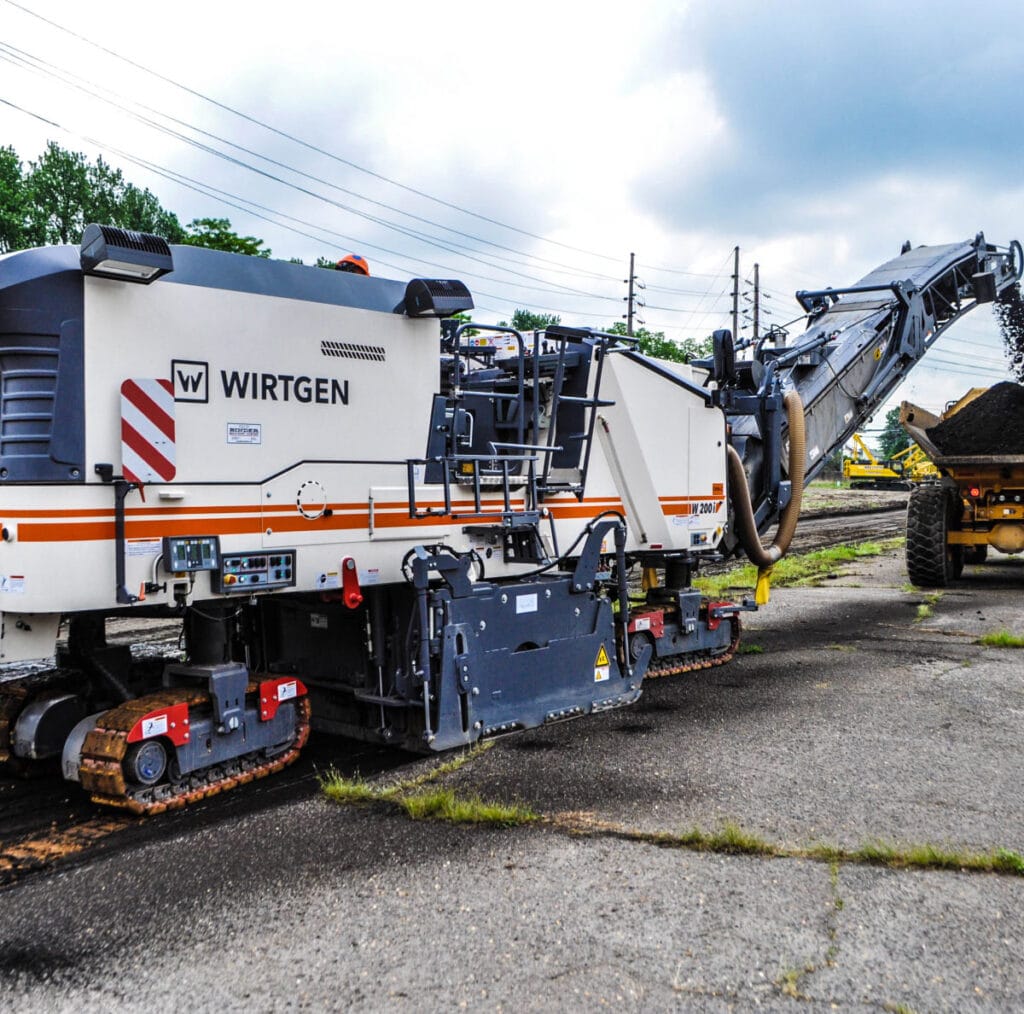
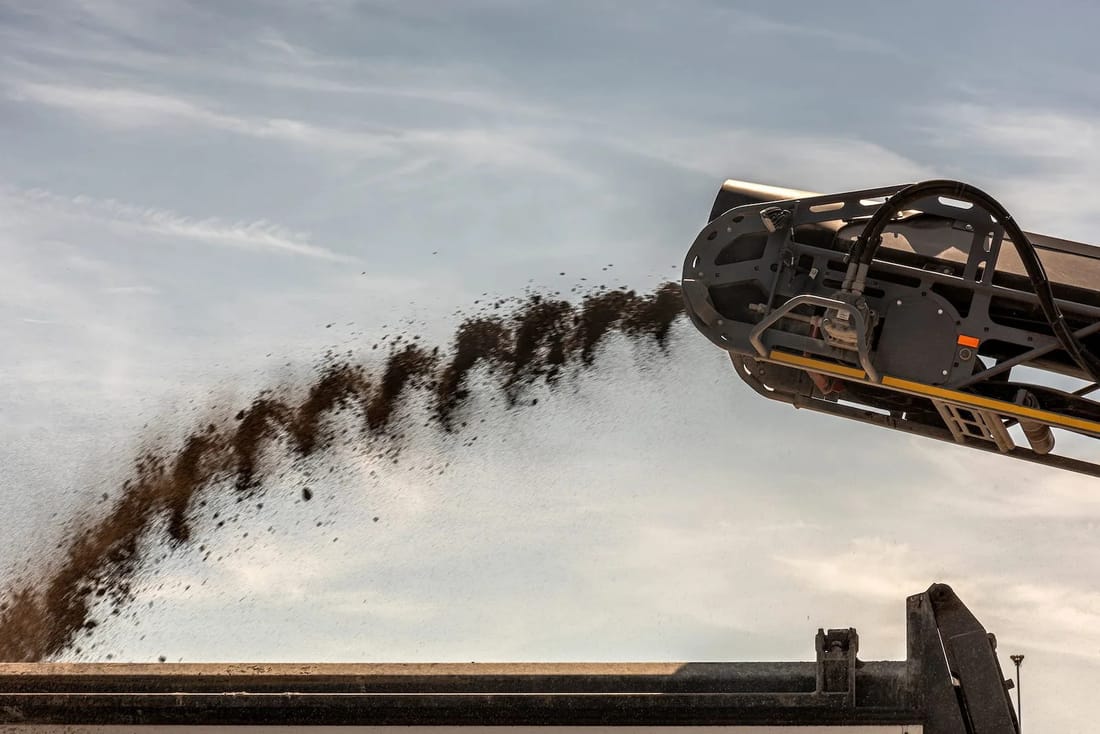
Third, the machine grinds the asphalt to the targeted depth, and a conveyor loads the milled material into trucks. Our operators constantly adjust drum speed and depth to match the hardness and thickness of the existing pavement, which is especially important in older Raleigh neighborhoods where asphalt thickness can change abruptly.
Fourth, we clean the milled surface with mechanical sweepers and blowers. This step is critical, because dust and loose fines left on the surface can weaken the bond with the new asphalt layer. We will not start paving until the milled surface is clean and properly textured.
Finally, once we verify elevation and slope with string lines or laser levels, our paving crew installs the new asphalt overlay. The milled grooves provide excellent mechanical bonding, which greatly reduces the risk of slippage and premature delamination.
Full Depth Reclamation and Base Stabilization
Full depth reclamation is a higher level of rehabilitation that is ideal for Raleigh pavements with deep structural failure, pumping subgrade, or chronic base issues. Instead of only removing the top layer, we use a reclaimer to pulverize the existing asphalt and a portion of the stone base, typically 6 to 12 inches deep, to create a blended base layer.
In many cases we incorporate additional aggregate or stabilizing agents like cement or engineered emulsions. This can be especially helpful in parts of Wake County where soils hold moisture and contribute to soft or unstable subgrade. By mixing and compacting everything in place, we create a thicker, more uniform base that performs better than the original construction.
Once the reclaimed base is graded and compacted to specified density, we place one or more new asphalt lifts on top. This approach often eliminates the need to haul out large volumes of old pavement and import as much new stone, which results in significant savings on trucking and disposal. It also reduces construction traffic through residential communities and congested commercial corridors in Raleigh.
We recommend reclamation for older apartment complexes, HOA roads that have been patched repeatedly, and commercial lots where alligator cracking and potholes return soon after simple overlays. During our site evaluation, Precision Asphalt Raleigh will core or cut test areas as needed to decide if reclamation provides better long term value than repeated patching or thin resurfacing.
Local Conditions That Affect Milling in Raleigh
Raleigh’s climate and soil conditions create specific challenges that must be considered when planning asphalt milling and reclamation.
Frequent freeze thaw cycles in winter, combined with hot summers and heavy storm events, cause movement in the subgrade and accelerate cracking. In older subdivisions, you often see longitudinal cracks along wheel paths and reflective cracking over underground utilities. Milling alone will not resolve deep movement, so we identify and repair unstable areas before paving.
Clay heavy soils in parts of Raleigh and Wake County hold water. If these areas were not properly stabilized when the pavement was first built, you may see rutting at dumpster pads, drive lanes near loading docks, and at entrances where heavy trucks brake and turn. In those locations, we often recommend deeper milling, localized undercut and base repair, or full depth reclamation with stabilization.
Drainage is another local priority because of intense thunderstorms. When we mill and resurface, we carefully adjust elevations at gutters, curb lines, and inlets to keep water from ponding in travel lanes or in ADA parking spaces. We also pay attention to transitions at city streets maintained by the City of Raleigh, making sure our finished elevations match municipal requirements and do not create bumps or trip edges.
Cost Factors and How We Control Your Budget
The cost of asphalt milling and reclamation in Raleigh varies with site conditions, depth of work, and project logistics. Precision Asphalt Raleigh explains these elements in detail so you understand where every dollar goes.
Key cost drivers include total square footage, milling depth, number of mobilizations, and how easily trucks and equipment can access the work area. A large open retail lot with simple access will be less per square foot than a tight downtown property that demands night work and smaller machines.
Existing pavement thickness is another big factor. If we discover that your lot only has 2 inches of asphalt over a weak stone base, we may need additional base repair or reclamation to achieve long term performance. Although this adds to the upfront price, it usually prevents you from paying twice for repeated overlays that fail prematurely.
Disposal and material reuse also affect cost. Where project conditions allow, we recycle milled asphalt on site as base material or send it to local plants as Reclaimed Asphalt Pavement (RAP). Recycling reduces tipping fees and helps offset new material costs. For clients who need strict scheduling, such as schools and medical offices, we can phase work so sections stay open while others are being milled and paved, which protects your operations and revenue.
Common Problems We Solve With Milling and Reclamation
Asphalt milling and reclamation are not one size fits all solutions, but they are very effective for a range of common pavement problems in Raleigh.
For surfaces with shallow ruts, surface waves, and minor to moderate cracking, we typically recommend profile milling followed by an overlay. Milling removes the worn surface and corrects ride quality, while the new asphalt layer restores smoothness and appearance. This is common in shopping center lots along Capital Boulevard and Glenwood Avenue where traffic is constant but base conditions are generally sound.
Where you have significant alligator cracking, potholes that reappear, or areas that pump water when trucks drive over them, we inspect the base and subgrade. There we may remove soft areas, improve drainage, or recommend reclamation for entire sections. This approach stops the cycle of patching the same spots every year.
High or low spots at catch basins and curb lines are often corrected with targeted milling rather than full replacement. We can mill down around a sunken inlet or feather mill to transition from thick overlays back to original pavement. This is important for ADA compliance, since standing water or sudden changes in slope at accessible parking spaces and routes can create liability for property owners.
What to Expect When You Hire Precision Asphalt Raleigh
When you contact Precision Asphalt Raleigh for asphalt milling and reclamation, we start with a detailed on site evaluation and written proposal, not a guess based on satellite images alone. We review traffic patterns, discuss your schedule, and identify any operational constraints such as business hours, school drop off times, or residential quiet hours.
Before work begins, we provide a clear phasing and traffic control plan so tenants, employees, and residents know which areas will be closed and when they will reopen. During milling, our crew keeps constant communication with your point of contact to adjust as needed for deliveries, emergency access, or weather changes.
We handle coordination with utility locates, arrange hauling and recycling of milled material, and schedule paving crews so the time between milling and overlay stays as short as possible. This protects the milled surface from weather and reduces inconvenience for users of the property.
After paving, we complete final sweeping, striping layout, and line painting if requested, then perform a joint walkthrough to confirm drainage, ride quality, and overall workmanship. Our goal is to leave you with a smooth, durable surface, a clear record of what was done, and a maintenance plan tailored to Raleigh conditions so you know how to protect your investment over the next decade.